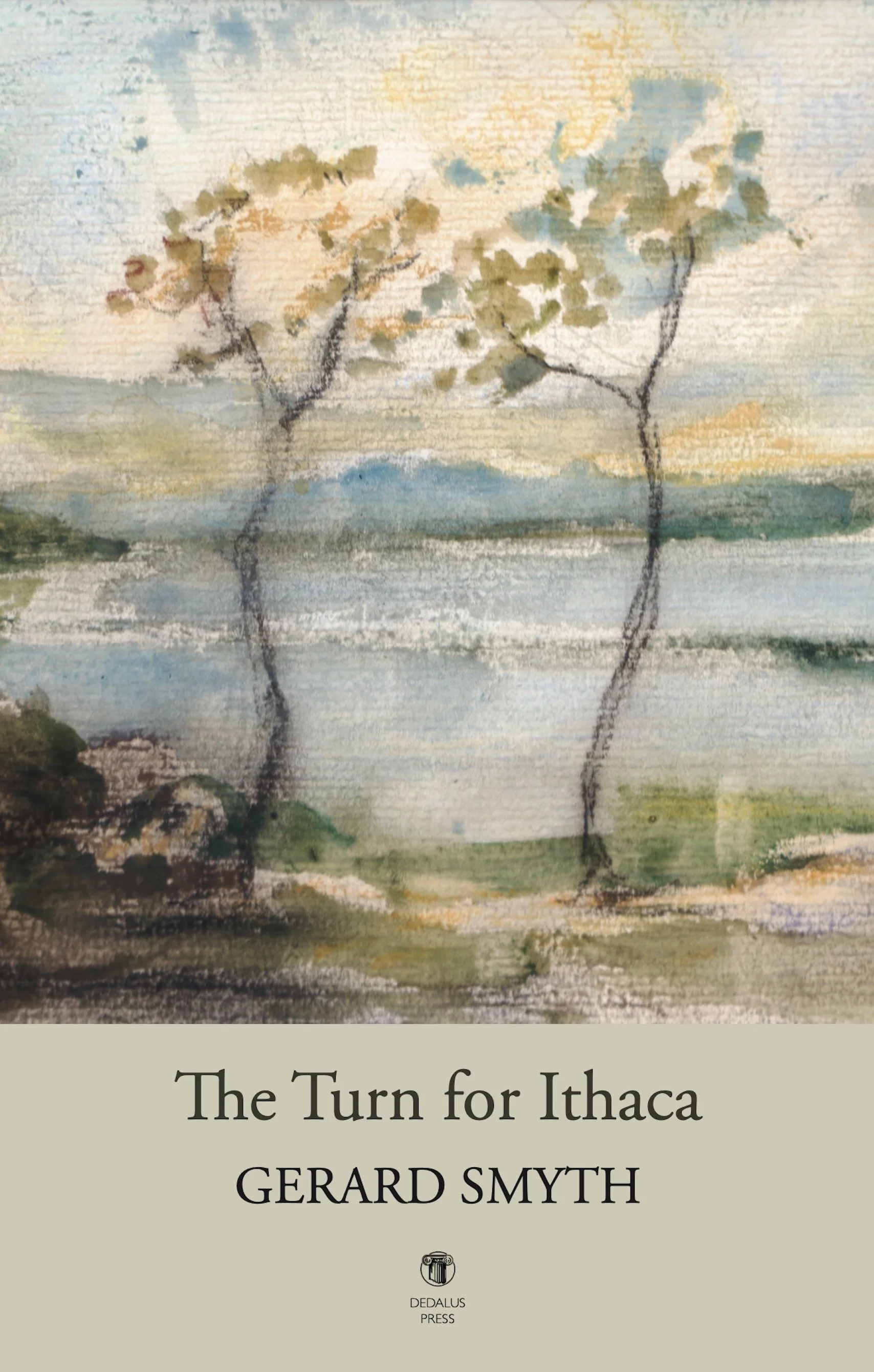
Gerard Smyth’s 11th collection, The Turn for Ithaca, is now available, after being launched in Dublin in February. In these new poems, many written during the Covid/lockdown years, Smyth further explores his perennial subject of memory, its mysteries and revelations. Voices of loved ones, teachers and other poets populate a book that includes a series of poems in memory of the lost voices of fellow poets, Kinsella, Boland and Kennelly. The Turn for Ithaca also reaches out to wider issues facing our changing world of wars, migration and a growing threat to freedom of expression.
The Turn for Ithaca is a collection of exquisite acts of lyric generosity. Smyth’s technical accomplishment is lightly-worn, but the poems are the products of a lifetime of dedication and scrupulousness, of days ‘fine-tuning’ the art. The integrity and humbleness that infuses the work is matched only by the fiercely free spirit of a poet.
Sasha Dugdale, poet, playwright and translator
Smyth will read from The Turn for Ithaca at this year’s Cork International Poetry Festival on May 13th.
Gerard Smyth’s memoir essay, River Gulls and City Horses: a Dublin Memoir, originally published in New Hibernia Review (Center for Irish Studies, University of St Thomas, Spring 2024 issue) was among the noted essays in The Best American Essays 2025 (edited by Jia Tolentino). A broadside print of the poem Dublin Ode, a prologue to Smyth’s memoir essay, will be added to the collection of exhibits in the Little Museum of Dublin, on St. Stephen’s Green, later this year.
A Leap Year, a suite of Gerard Smyth’s poems written during the Covid/lockdown years, will be published by Jamie Murphy’s Salvage Press later this year. This latest special project by the press (the books are handset and hand-printed) includes seven poets, ten poems in separate publications, each on the theme of the pandemic which began in 2020. Included among Smyth’s poems is Isolation, originally published on the front page of The Irish Times, on Saturday March 21st, 2020 as the outbreak took hold in Ireland and around the world. Other poets included Annemarie Ni Churreáin, Jessica Traynor and John Fitzgerald.
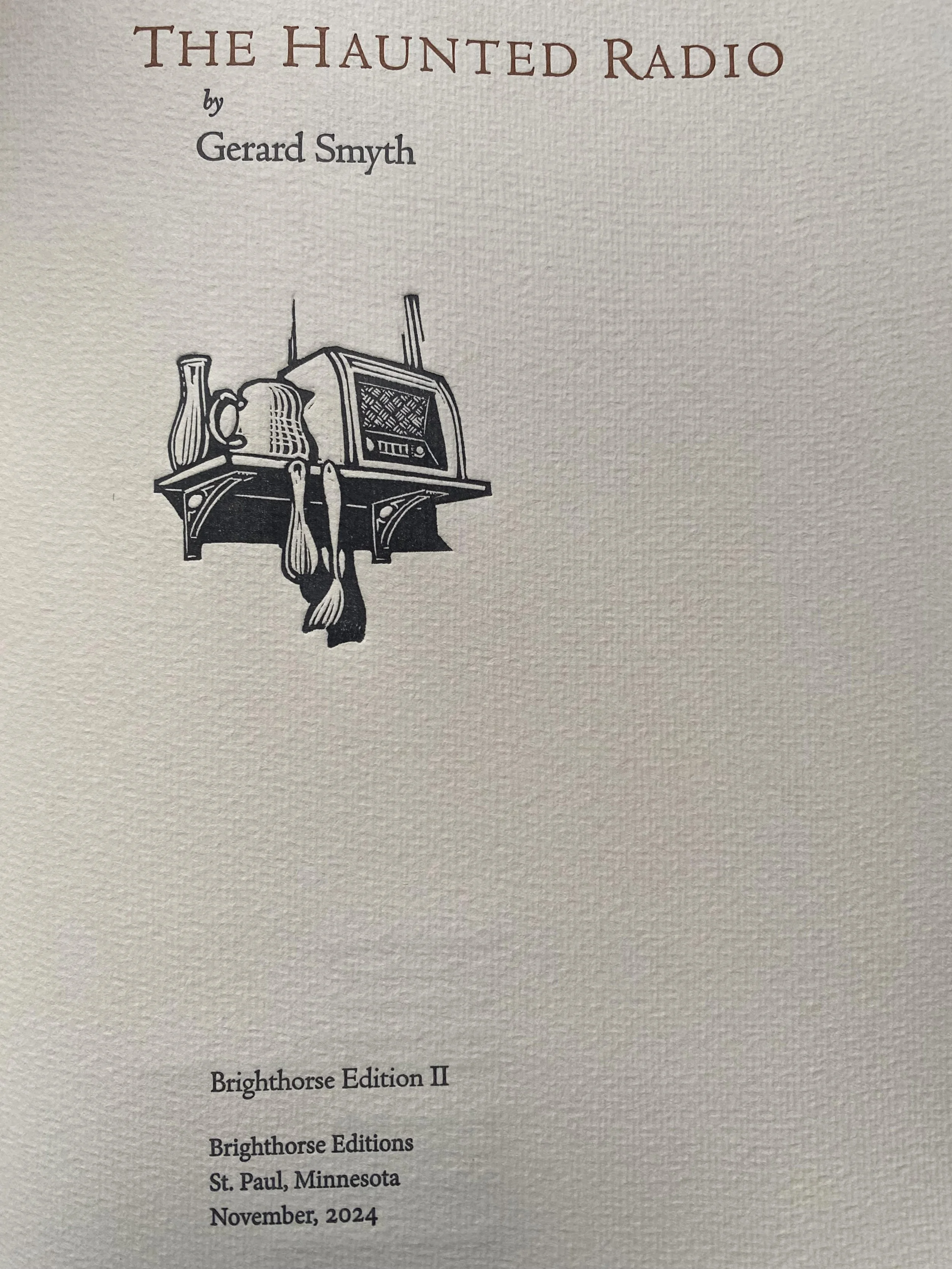
The Haunted Radio is a chapbook of 13 new poems by Gerard Smyth, published as the second in a series by Brighthorse Editions ( St Paul, Minnesota ). The poems cover a broad range of personal and public themes including the Chernobyl nuclear disaster, climate change and the worldwide threat to freedom of expression as well as memories of summers on his grandmother’s farm in County Meath in the year the Northern conflict began and poems inspired by two of his favourite American singers, Johnny Cash an Dylan.
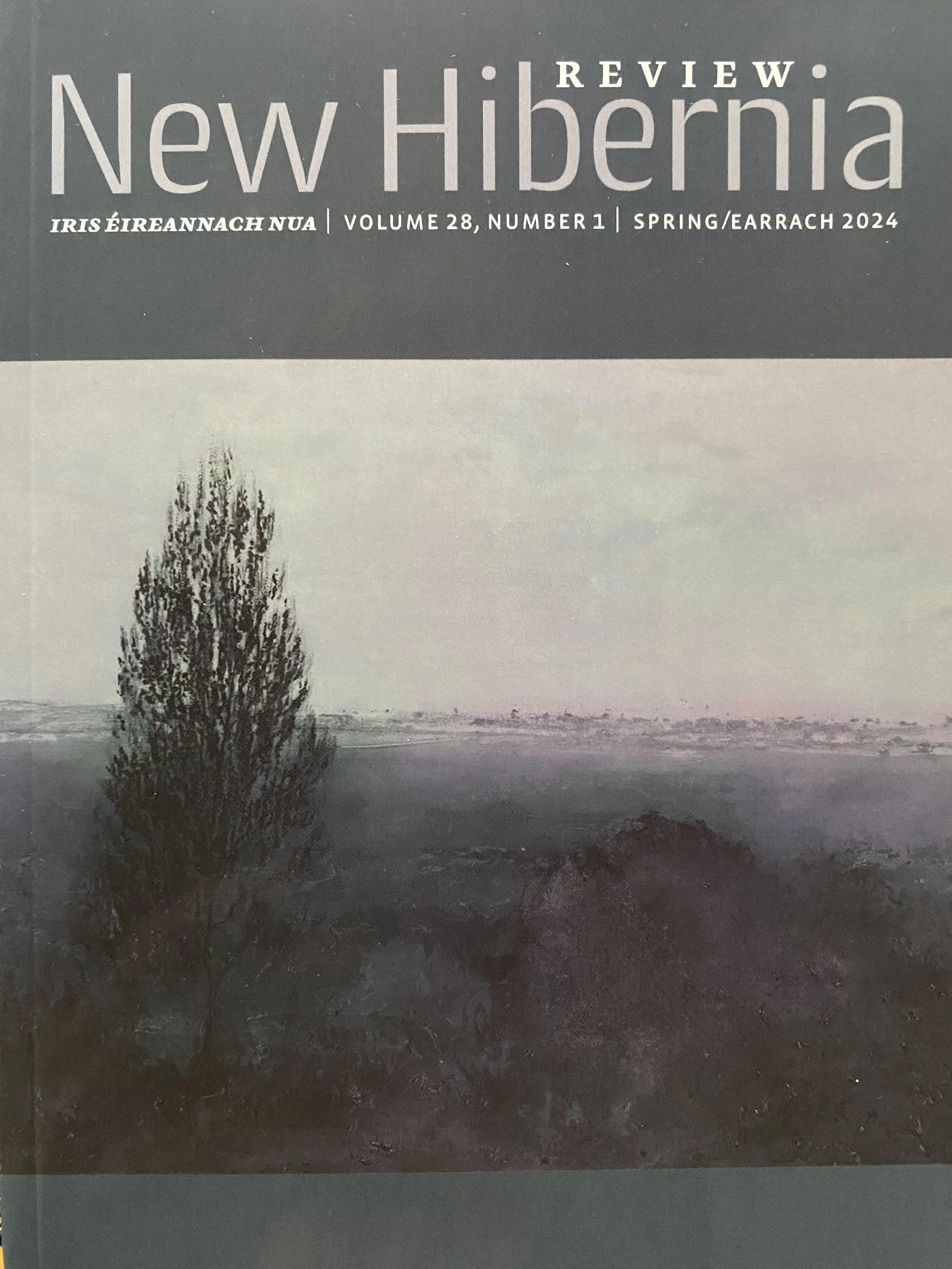
Gerard Smyth’s memoir essay, River Gulls and City Horses: a Dublin Memoir, originally published in New Hibernia Review (Center for Irish Studies, University of St Thomas, Spring 2024 issue) was among the noted essays in The Best American Essays 2025 (edited by Jia Tolentino). A broadside print of the poem Dublin Ode, a prologue to Smyth’s memoir essay, will be added to the collection of exhibits in the Little Museum of Dublin, on St. Stephen’s Green, later this year.
The essay, an extract from a work-in-progress, deal’s with the poet’s childhood and adolescent years in Dublin’s Liberties, his early interest in poetry and the poets and friends under whose influence that interest developed. The essay opens with the arrival of his mother into that quarter of the city:
“When my mother left her home in Meath in the late 1930s to live and work in Dublin’s Liberties (the oldest part of the city, and so named because it was once independent of the municipal authorities and free from taxes), she entered a world removed and different from the rural community that had nurtured her. In some ways it was not so removed or different”.

Gerard Smyth is among contributors to the recently-published David Marcus: Editing Ireland ( Stinging Fly Press ), an anthology of tributes and recollections to honour the founder and editor of New Irish Writing which began in The Irish Press newspaper in 1968. It was in Marcus’s page that Smyth’s first poems were published in January 1969. His essay on Marcus, A Golden Age, begins:
It is very tempting to call it a golden age of Dublin journalism. But many of us who experienced it would do so. It was an era of much crossover between the literary and journalistic in the city’s newspapers. Central to that memory is the role of David Marcus in The Irish Press – first as begetter of the weekly New Irish Writing page and then adding literary editor to his responsibilities on Burgh Quay.